Why Is My Sink Draining Slowly? Common Causes & What It Might Cost to Fix
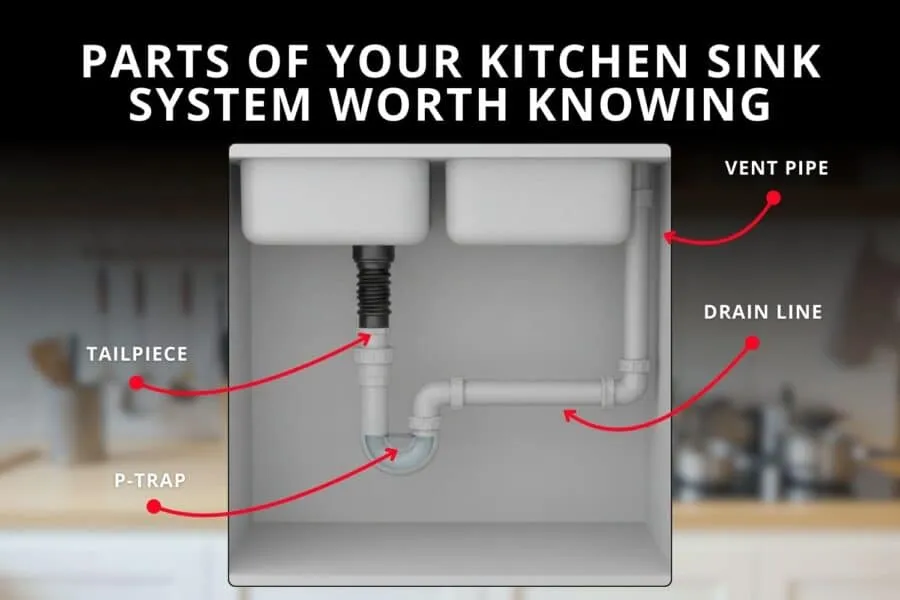
We explain the typical reasons for a slow-draining sink, from simple clogs to deeper pipe issues, and give you a transparent look at the repair approaches and what you can expect to pay.
The Usual Suspects: What's Actually Causing the Slow Drain?
A sink that drains slowly is a warning sign. It means water is having to find a way past an obstruction, and that problem will only get worse until it becomes a complete blockage. The cause usually falls into one of a few common categories, and identifying which one helps us understand the fix.
The most frequent culprit is a build-up of grease, soap scum, and food particles (even in bathroom sinks, hair is a major factor). This creates a sticky, gunky barrier inside the pipe that catches everything else. Over time, it narrows the pipe's diameter until drainage slows to a trickle.
Less common, but more serious, are issues like a damaged or collapsed pipe, a fault in the plumbing vent system, or a problem deep in the main drain line. These aren't simple clogs and require different diagnostic methods.
Our Approach to Diagnosis and Clear Pricing
Our first step is always to correctly identify the problem. We don't guess. For a slow-draining sink, we typically start with a physical inspection and may use a drain camera. This tells us if it's a localised clog in the U-bend or a more stubborn blockage further down the line.
Once we know the cause, we can tell you exactly what the solution is and what it will cost. Our pricing is itemised and published. For instance, a standard sink unblocking service to clear a simple clog has one fixed price. That covers our engineer's time, standard equipment, and clearing the obstruction.
If the camera survey reveals a more complex issue—like a broken pipe that needs repair or a deep main line blockage—we will provide a separate, upfront quote for that specific work before we proceed. You'll know the cost for the additional labour and any necessary materials. There are never hidden extras.
What You Can Expect to Pay For
The cost to fix a slow drain depends entirely on the solution required. A straightforward mechanical clearing of a hair or grease clog in the immediate sink trap is the most economical fix. This is a common, quick job.
If the blockage is deeper or requires a high-pressure water jetting unit to clear solidified waste, the work is more involved. That service is priced higher to reflect the larger equipment and extra time. The price is still a single, clear fee for the jetting service.
In the rare case of needing a small section of pipe repaired or replaced, you will pay for the parts and the additional installation labour. We will quote this separately, itemising the pipe section, fittings, and labour time. Our goal is to fix the problem correctly the first time, with no surprises on your invoice.
We believe you should understand what you're paying for. A slow drain might be a £X fix or a £Y fix, but you will know why before any work begins. Honest diagnosis leads to transparent pricing.
Frequently asked questions
What's the most common reason for a kitchen sink to drain slowly?
In kitchens, it's almost always a build-up of cooking fats (grease) combined with food particles and soap. These cool and solidify inside the pipes, creating a restrictive coating that slows drainage dramatically.
Will you charge me just to diagnose the slow drain?
No. Our standard sink unblocking price includes the diagnosis and the clear-out if it's a standard clog. We only charge a separate diagnostic fee if the problem is found to be a major pipe fault requiring a completely different repair, and we would quote you for that repair work upfront before proceeding.
If the slow drain is caused by a problem deeper in the main pipes, how is that priced?
That is a different service. We would provide a fixed-price quote for the required work, such as drain jetting or a localised pipe repair. The quote details the labour and any materials, so you have a complete understanding of the cost for that specific, more complex solution.