A Clear-Cost Septic Tank Maintenance Checklist for London Homeowners
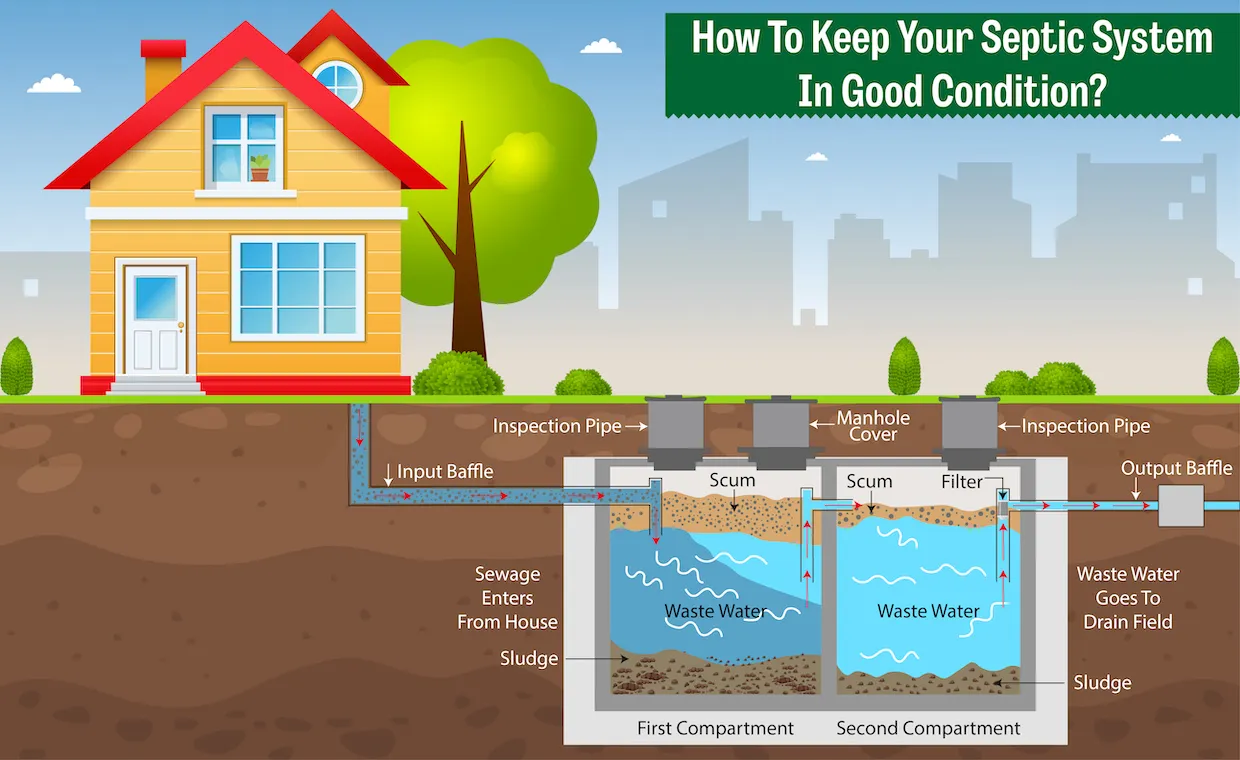
A straightforward, cost-transparent checklist for essential septic tank maintenance, outlining what services you need and what they typically involve.
What's on Your Essential Septic Tank Maintenance Checklist?
Maintaining your septic tank isn't just about preventing emergencies; it's about predictable, scheduled care that saves you significant money in the long run. We believe in being upfront about what this involves and what you can expect to pay for. This checklist breaks down the key tasks, so you know exactly what you're paying for when you hire a professional.
The core of routine maintenance is regular pumping and a thorough inspection. How often you need this depends on your tank size and household usage, but a general rule in our industry is every 3-5 years. Skipping this is the most common cause of system failure and the most expensive problem to fix.
Itemising the Standard Maintenance Visit
When our engineers visit for a standard maintenance pump-out and inspection, here is the breakdown of work included. We price each job item by item, so you see the cost for each component.
1. Locating and Accessing the Tank: The first step is finding and safely uncovering the inspection lids. This is a standard part of the service. If the lids are buried deep or inaccessible, there may be an additional charge for the extra labour required to expose them properly.
2. Comprehensive Inspection: Before pumping, we inspect the inlet and outlet baffles, check for cracks or signs of leakage, and assess the scum and sludge layers. This tells us the tank's health and if any repairs are needed. We provide a clear report on our findings.
3. Pumping Out the Tank: This is the main task. We use a tanker to remove all the accumulated solids and liquid. The cost here is primarily for the labour, equipment time, and the legal disposal of the waste at a licensed facility. The price can vary based on the tank's size and how full it is.
4. Post-Pump Inspection & System Flush: After emptying, we inspect the empty tank structure again and often flush the drainage field lines with water to check for free flow and identify any blockages. This gives a complete picture of your system's condition.
Additional Services & Potential Costs
Your basic maintenance might reveal a need for extra work. We will always discuss this with you and provide a separate, upfront quote before proceeding. Common add-ons include:
Baffle Repair or Replacement: Damaged baffles can allow solids to escape and clog your drainage field. Replacing them is a focused repair job.
Drainage Field Jetting: If the inspection shows slow drainage, jetting the pipes with high-pressure water can clear biological build-up and restore flow. This is priced as a separate jetting service.
Bacterial Treatment: While not always necessary, adding a bacterial boost can aid breakdown. If recommended, we will explain the product cost simply.
By following this checklist and budgeting for these predictable services, you avoid the shock of emergency call-outs for backups or system failures. Those reactive jobs are always more complex and therefore more costly. Transparent, planned maintenance is the most honest way we can help you protect your property and your wallet.
Frequently asked questions
What is the typical cost range for a standard septic tank pump-out?
Costs vary based on tank size and accessibility, but a standard pump-out and inspection is a defined service. We provide an itemised quote that breaks down the labour, tanker time, and waste disposal fees before any work begins, so there are no surprises.
Why might my final bill be higher than the initial quote for maintenance?
Our initial quote covers the standard pump-out and inspection. If we discover during the inspection that essential repairs are needed—like a cracked baffle or a blocked drainage line—we will stop and provide a new, clear quote for that additional work. You only authorise what you agree to.
Are there any ongoing costs I should budget for besides pumping?
Yes. Be mindful of what you flush, as chemicals and non-biodegradables can damage the system and lead to extra repair costs. Also, consider an annual visual check of the area for wet patches or odours, which is often a low-cost or free part of a general drainage survey.