No-Dig Drain Repair vs Excavation: Which Is Right for Your Problem?
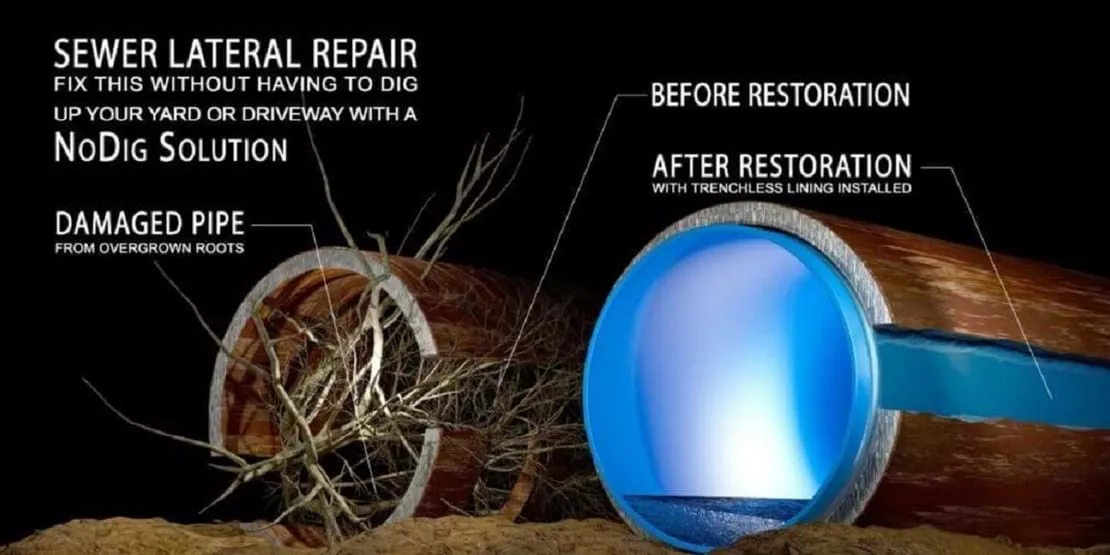
A clear comparison of no-dig relining and traditional excavation for drain repairs, with transparent pricing structures for each method.
Facing a damaged or collapsed drain is stressful, and the repair options can seem confusing. The two main approaches are traditional excavation and modern 'no-dig' trenchless repair. The right choice often comes down to the specific problem, but a major factor for most people is cost. We believe in upfront, honest pricing, so we'll lay out how we typically structure costs for each method to help you understand the financial difference.
The Traditional Excavation Process & Its Costs
Traditional repair means digging. Our engineers locate the problem, excavate down to the pipe—often through tarmac, concrete, or garden—and replace the damaged section. The work is physically demanding and the final price reflects that. Costs can escalate based on depth, access difficulty, and what's on the surface. A simple garden dig to replace a few metres of pipe will be at one end of the scale. Digging through a solid concrete driveway or a busy road involves more labour, machinery, and reinstatement work, pushing the price higher. We always provide an itemised quote that breaks down the excavation, pipe replacement, and full reinstatement of the surface. There are no hidden extras for making good the area afterwards; it's included.
How No-Dig Pipe Relining Works & Its Pricing
No-dig, or trenchless, repair typically involves pipe relining. Our team inserts a resin-saturated liner into the damaged pipe via an existing access point, inflates it, and lets it cure to form a hard, seamless new pipe within the old one. It's far less invasive. The pricing for relining is structured differently. The cost is primarily driven by the diameter and length of pipe being relined, and the complexity of the setup. Because there's no digging or reinstatement, the final bill is often more predictable. You won't see separate line items for landscaping, tarmacking, or disposing of tonnes of earth. The quote covers the survey, liner materials, installation, and final inspection.
Comparing the Two: A Cost Scenario
Let's consider a common scenario: a cracked, 5-metre section of clay pipe under a patio. For excavation, the quote would include: labour and plant hire for breaking through and reinstating the patio slabs, excavation and support, new pipe materials, and all making good. The total reflects all these stages. For a no-dig repair on the same pipe, the quote would focus on the liner material for that 5-metre length, the resin, and the installation time. There is no cost for breaking up the patio, no skip hire for rubble, and no cost to relay the paving. While the liner material itself has a cost, the elimination of heavy restoration work often makes no-dig a competitive option, especially under drives, gardens, or buildings.
It's not always a choice, however. A fully collapsed pipe often can't be relined and needs excavation. Conversely, a pipe running under a listed building or a mature garden makes relining the obvious candidate to avoid immense disruption and extra cost. Our engineers will always recommend the most effective and, in the long-term, economical solution for your situation. We'll explain why one method is necessary or preferable and provide the clear, upfront pricing that allows you to make an informed decision.
Frequently asked questions
Is no-dig drain repair always cheaper than excavation?
Not always, but it often can be when you factor in the full cost of excavation. While the materials for relining have a price, the method avoids the significant extra costs of digging, such as reinstating drives, gardens, or floors. For deep or complex excavations, no-dig usually offers substantial savings.
What is included in your upfront quote for excavation?
Our itemised quote for excavation includes all labour, plant hire for digging and reinstatement, new pipe materials, and crucially, the full cost of making good the area. This means relaying turf, tarmac, or concrete to its original standard. There are no hidden charges for the cleanup and restoration.
Can you give a price for relining a standard drain?
We don't publish single fixed prices because every job is different. The cost for relining depends directly on the diameter and length of the pipe, and the site access. We provide a firm, itemised quote after a CCTV survey. This transparency means you know exactly what you're paying for before any work begins.