How Drain Clearance Works: Methods Explained & Our Transparent Pricing
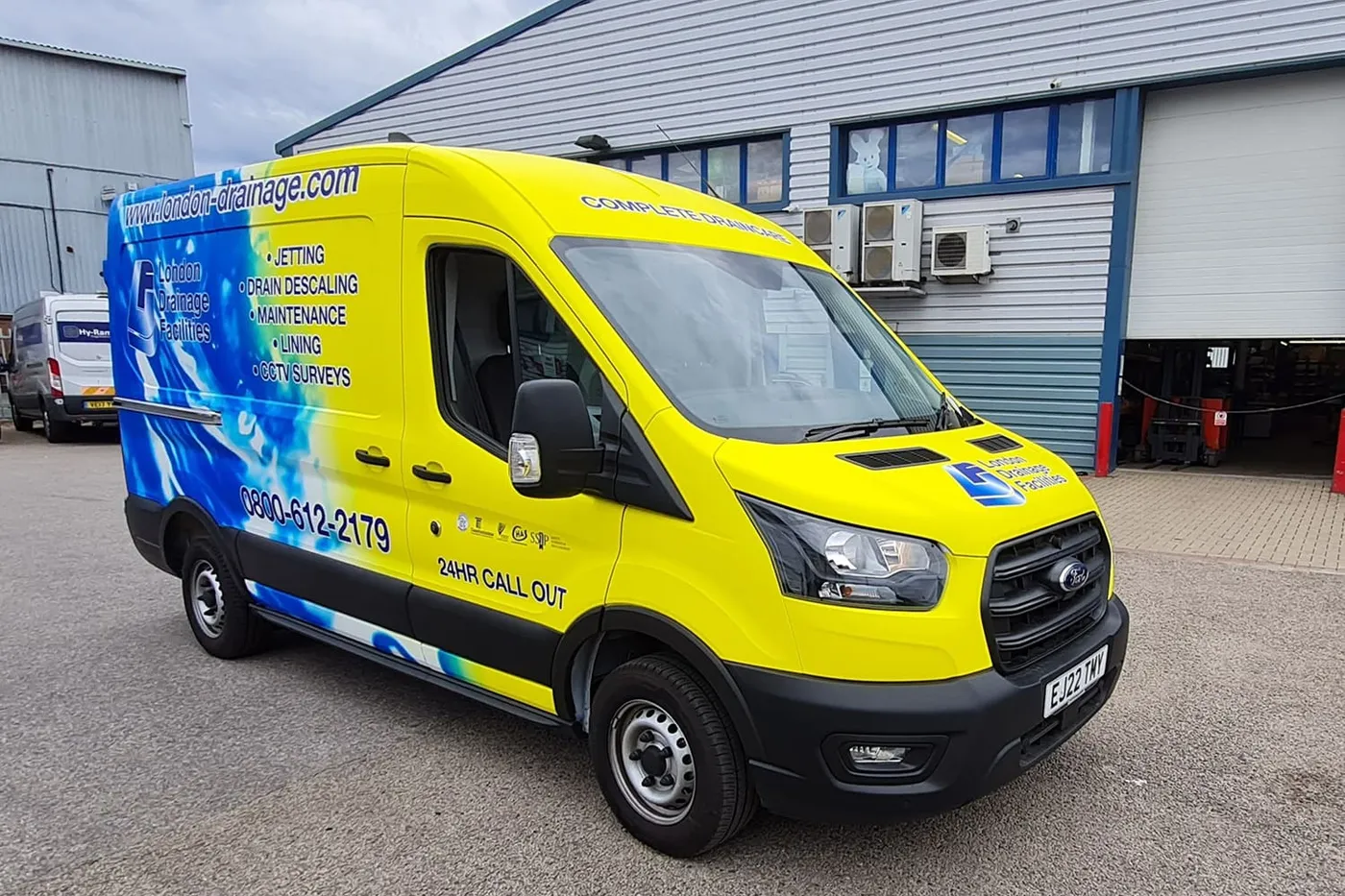
We explain the common methods for clearing blocked drains, from simple rodding to high-pressure jetting, and how the technique used directly affects our transparent pricing.
How We Diagnose Your Drain Problem
Before we start any work, our engineers need to understand the problem. This usually begins with a CCTV drain survey. We send a small, waterproof camera down your drain to find the exact location, nature, and severity of the blockage or damage. This allows us to recommend the most effective clearance method and give you an accurate, upfront price. We don't guess; we diagnose.
Common Drain Clearance Methods We Use
The method we choose depends entirely on what our survey finds. A simple, recent blockage in an accessible pipe requires a very different approach to a deep-set, solidified one or a collapsed section.
Drain Rodding: This is often the first line of attack for simple blockages close to an access point. Our engineers use flexible, segmented rods to physically break up the obstruction. It's a manual technique suitable for minor issues, and as it's generally quicker and uses less equipment, it's reflected in a lower itemised cost on your quote.
High-Pressure Water Jetting: For tougher, more established blockages—like fatbergs, tree root intrusion, or silt build-up—we use high-pressure water jetting. A specialised machine pumps water at extremely high pressure through a nozzle, which scours the pipe walls clean and blasts the blockage apart. This method is more thorough and equipment-intensive, which is factored into our pricing.
Electro-Mechanical Cleaning: For the most stubborn blockages or heavily scaled pipes, we might use an electro-mechanical cleaner. This machine uses a rotating cutting head, powered by an electric motor, to grind through solid obstructions. It's a highly effective but more specialised service, and its cost is always detailed separately on your quote.
How The Method Affects Your Quote
Our pricing is built on this principle of transparency. When we provide your quote, it will be itemised. You'll see a clear cost for the initial CCTV survey (if required), a line for the chosen clearance method (rodding, jetting, etc.), and any other parts or labour. The more complex the method and the longer the job takes, the higher the labour and equipment cost. There are no hidden fees. We tell you what we'll do, how we'll do it, and what it will cost before any work begins.
For example, a simple rodding job to clear a kitchen sink blockage from an accessible manhole will naturally cost less than a high-pressure jetting operation to clear 20 metres of main sewer line choked with roots. The difference in equipment, time, and expertise is significant, and our pricing reflects that honestly.
Once the clearance is complete, we often recommend a follow-up CCTV survey to confirm the pipe is fully clear and to check for any underlying damage that might cause future issues. This optional service is always priced separately, so you can decide.
Frequently asked questions
Why does the price vary so much between different drainage companies?
Prices vary because companies use different methods, equipment, and pricing models. Some quote a low 'call-out' fee but add high costs for materials and time. We provide an upfront, fixed price based on a recommended method after diagnosis, so you know the full cost before we start.
Do you charge extra if a more complex method is needed on the day?
No. We base our fixed quote on the diagnosis from our initial CCTV survey. If the situation is more complex than initially seen, we will stop, explain the new recommended method, and provide a new, transparent quote for your approval before proceeding. We never spring surprise charges on you.
Is high-pressure jetting always the best solution?
Not always. While very effective for many blockages, it can be overkill for a simple obstruction and is not suitable for badly damaged or collapsed pipes. Our job is to diagnose correctly and use the most appropriate, cost-effective method. Using a more powerful method than needed would unnecessarily increase your cost, which goes against our transparent pricing principle.