Fatberg Explained: What It Is, How to Prevent One, and What It Costs to Remove
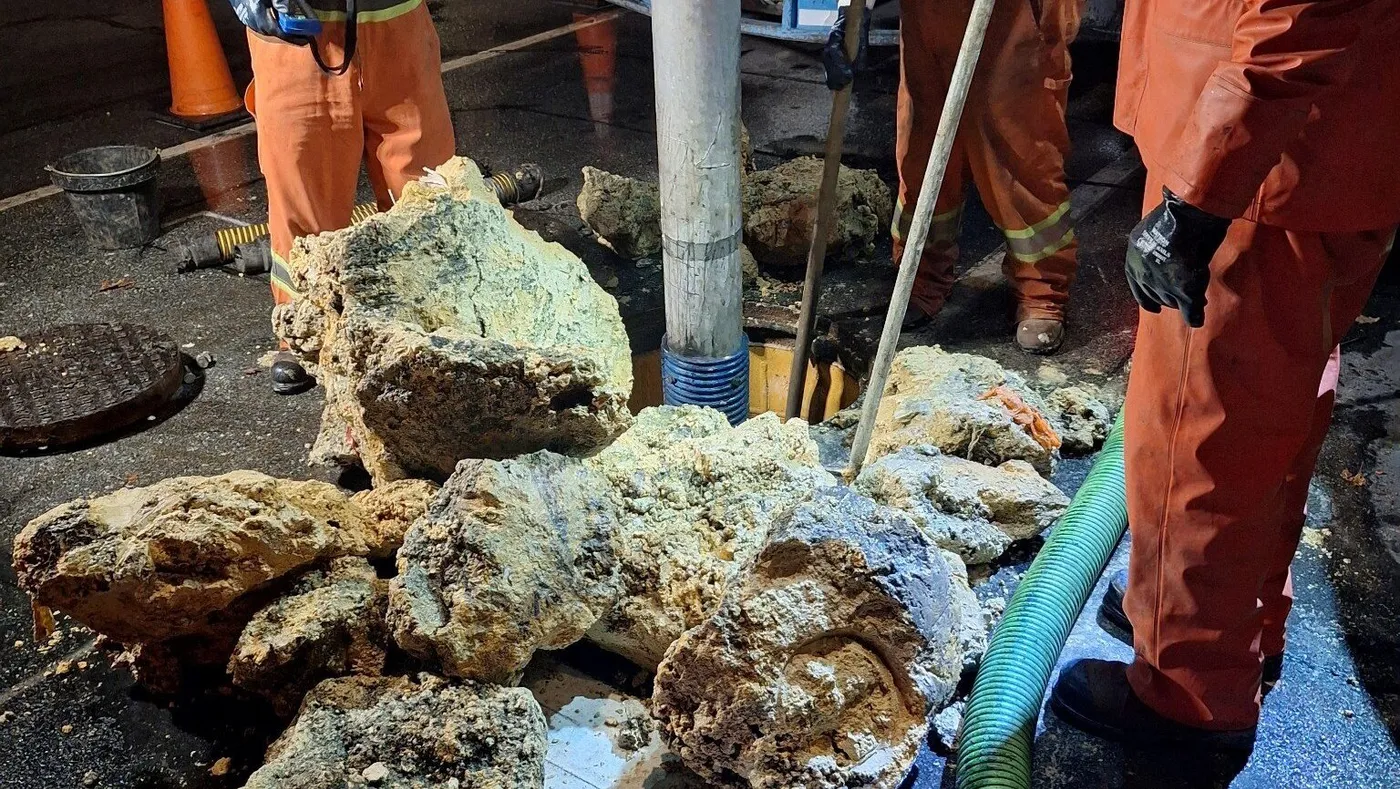
A fatberg is a solid mass of fats, oils, and non-flushable waste clogging sewers. Preventing one saves you from expensive, disruptive removal costs.
What Exactly Is a Fatberg?
A fatberg is a congealed mass of fats, oils, grease (often called FOG), and non-biodegradable waste like wet wipes, sanitary products, and cotton buds that builds up in sewers and drains. It's not just a blockage; it's a rock-solid, sewage-soaked iceberg that can grow to enormous sizes, causing major flooding, environmental damage, and costly repairs for both homeowners and water authorities.
How Does a Fatberg Form in Your Drains?
Fatbergs start in kitchens and bathrooms. When cooking fats and oils are poured down the sink, they cool and solidify inside pipes, coating the walls. Items like 'flushable' wipes don't break down and get caught in this sticky layer. Over time, more debris sticks, and the mass grows, eventually completely blocking the flow. This can happen in your own property's underground drains long before it reaches the public sewer.
For you, this translates to slow drains, bad odours, and ultimately, complete backups. The solution is never a simple bottle of drain cleaner; it requires professional, mechanical removal.
The Clear Cost of Fatberg Removal
Because every blockage is different, we provide upfront, itemised quotes. There is no single fixed price, but you will know the exact cost before we start work. A typical fatberg removal job is priced based on the time our engineers spend using high-pressure jetting and vacuum equipment, plus any necessary parts or waste disposal. We break down each element: the call-out, the hourly rate for the specialist equipment and labour, and any additional fees. There are no hidden extras. If the blockage is severe and requires excavation or a CCTV survey first, we will explain those costs and why they're needed, giving you a clear choice.
How to Prevent a Fatberg (And Avoid the Bill)
Prevention is always cheaper than cure. Follow these straightforward rules to protect your drains and your wallet. First, never pour fats, oils, or grease down the sink. Let them cool and solidify, then scrape them into the bin. Second, only flush the three Ps: pee, poo, and (toilet) paper. Everything else—especially wipes, even 'flushable' ones, cotton pads, and hygiene products—goes in the rubbish. Third, consider having your drains professionally cleaned with jetting on a regular schedule if you have an older property or a busy household; we can provide a fixed price for this maintenance service.
Sticking to these habits drastically reduces your risk of creating a fatberg in your private drain, saving you from a disruptive and entirely avoidable expense.
Frequently asked questions
How much does it cost to remove a fatberg?
We provide itemised quotes based on the job. Costs depend on the size and location of the blockage, the time and equipment needed (like jetting rigs), and any waste disposal. You'll see a clear breakdown of the call-out fee, hourly rates, and parts before any work begins.
Can I dissolve a fatberg with chemicals?
No. Shop-bought drain cleaners are ineffective against large fatbergs and can damage older pipes. Professional removal requires mechanical methods like high-pressure water jetting to break up the solid mass and vacuum tankers to remove it, which is why we price the work based on this specialist service.
Who pays if a fatberg is in the public sewer?
If it's in the public sewer, it's the water company's responsibility. However, if the blockage originates in or affects the private drains from your property to the public sewer, you are responsible for the removal costs. Our engineers can trace the blockage and advise you clearly on this.