A Plain Guide to Commercial Kitchen Grease Trap Maintenance Costs
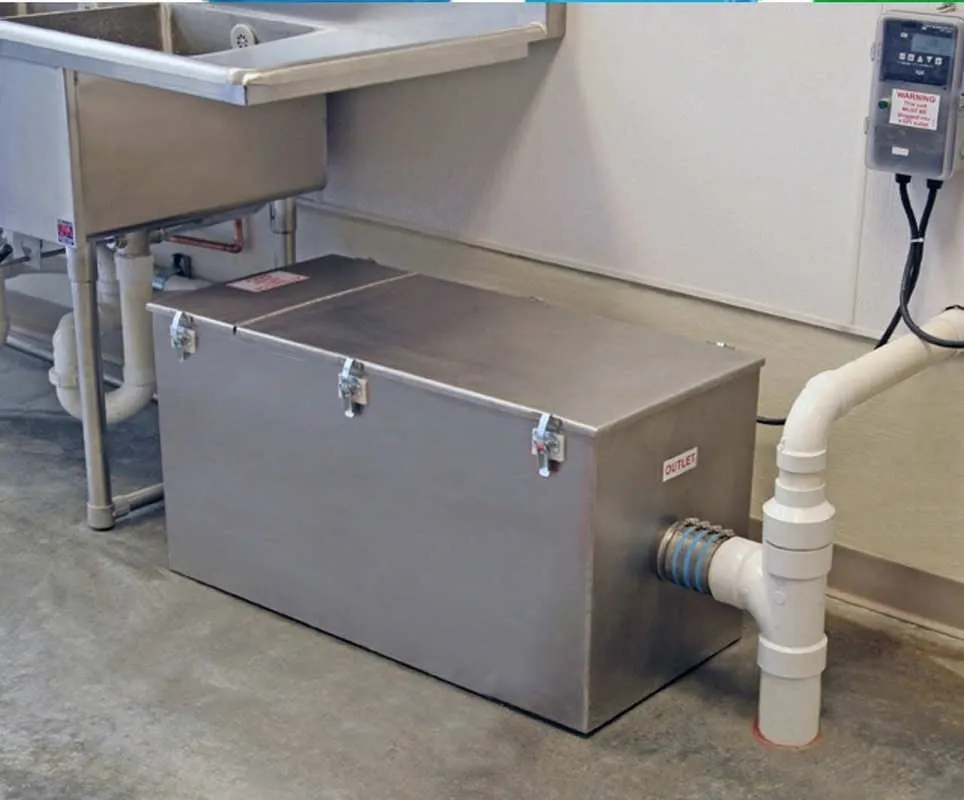
A straightforward guide to the costs and schedule for commercial kitchen grease trap cleaning and maintenance, based on our published, itemised pricing.
What Grease Trap Maintenance Actually Involves (And What You Pay For)
We believe you should know exactly what you're paying for. Commercial grease trap maintenance isn't just a quick clean. For a standard service, our engineers will first pump out all the contents—wastewater, fats, oils, and grease (FOG). We then pressure-wash the interior tank and baffles to remove all adhered solids. Every component, from the inlet to the outlet, is inspected for damage or blockages. Finally, we dispose of the waste at a licensed facility, providing you with the necessary documentation for compliance. This full process is what you're investing in to prevent blockages, foul odours, and regulatory fines.
How We Price Grease Trap Cleaning Services
Our pricing is based on the size and capacity of your trap, as this directly dictates the labour, time, and disposal costs involved. We publish our rates clearly. A small under-sink grease interceptor will cost less than a large in-ground grease trap servicing a busy restaurant. The price we quote covers the complete service described above. There are no hidden extras for standard disposal or the basic compliance certificate. If we find a damaged baffle or a need for urgent repairs, we will provide a separate, itemised quote for that work before proceeding. You will never get a surprise final bill.
Many kitchens operate on a fixed schedule, such as quarterly cleaning, which we can arrange at a consistent price. However, if your trap is full or causing issues before the scheduled clean, an emergency call-out will be required. While this is priced higher due to the immediate response, the structure remains transparent—you pay for the service and the priority scheduling.
The True Cost of Skipping Regular Maintenance
Postponing grease trap cleaning to save money is a false economy. When a trap overflows or a fatberg forms in your drains, the cost escalates rapidly. An emergency drain unblocking job to clear a kitchen drain line is an additional, urgent charge. If a blockage causes a sewage backup or an environmental health violation, the fines and business disruption far outweigh the planned maintenance cost. Regular, scheduled cleaning keeps the cost predictable and prevents these expensive, stressful failures. It also extends the life of your grease trap and downstream plumbing.
We recommend a cleaning frequency based on your trap's capacity and your kitchen's volume. A small cafe might manage with quarterly servicing, while a high-turnover hotel kitchen may need monthly attention. Our engineers can advise on the optimal schedule during your first service, helping you control costs and maintain compliance efficiently.
Getting a Clear Quote for Your Kitchen
To give you an accurate price, we need to know the size and location of your grease trap. You can often find the capacity in gallons or litres on a plate on the lid or in your building's maintenance records. If you're unsure, our engineers can identify it during a visit. We will then provide a straightforward quote for the cleaning service. By sticking to a regular plan, you lock in that price and avoid the steep costs of neglect. Our goal is to make this essential service simple, predictable, and hassle-free for your business.
Frequently asked questions
How much does a standard grease trap clean cost?
The cost is directly based on the size (capacity) of your grease trap. We publish our rates per size bracket. A small under-counter interceptor costs significantly less than a large, in-ground trap for a busy restaurant. We provide an itemised quote upfront, so you know the exact price before any work begins.
What is included in your quoted price?
Our standard quote includes the complete service: pumping out all contents, high-pressure washing of the tank and baffles, a full inspection, and licensed waste disposal. It also includes the documentation you need for environmental health compliance. Any necessary repairs are always quoted separately for your approval first.
Why is emergency cleaning more expensive than scheduled maintenance?
An emergency call-out requires our engineers and equipment to be prioritised over pre-scheduled jobs, often outside normal hours. The service itself is the same, but the premium covers the immediate response and logistical urgency. Scheduled maintenance is always the most cost-effective way to manage your grease trap.